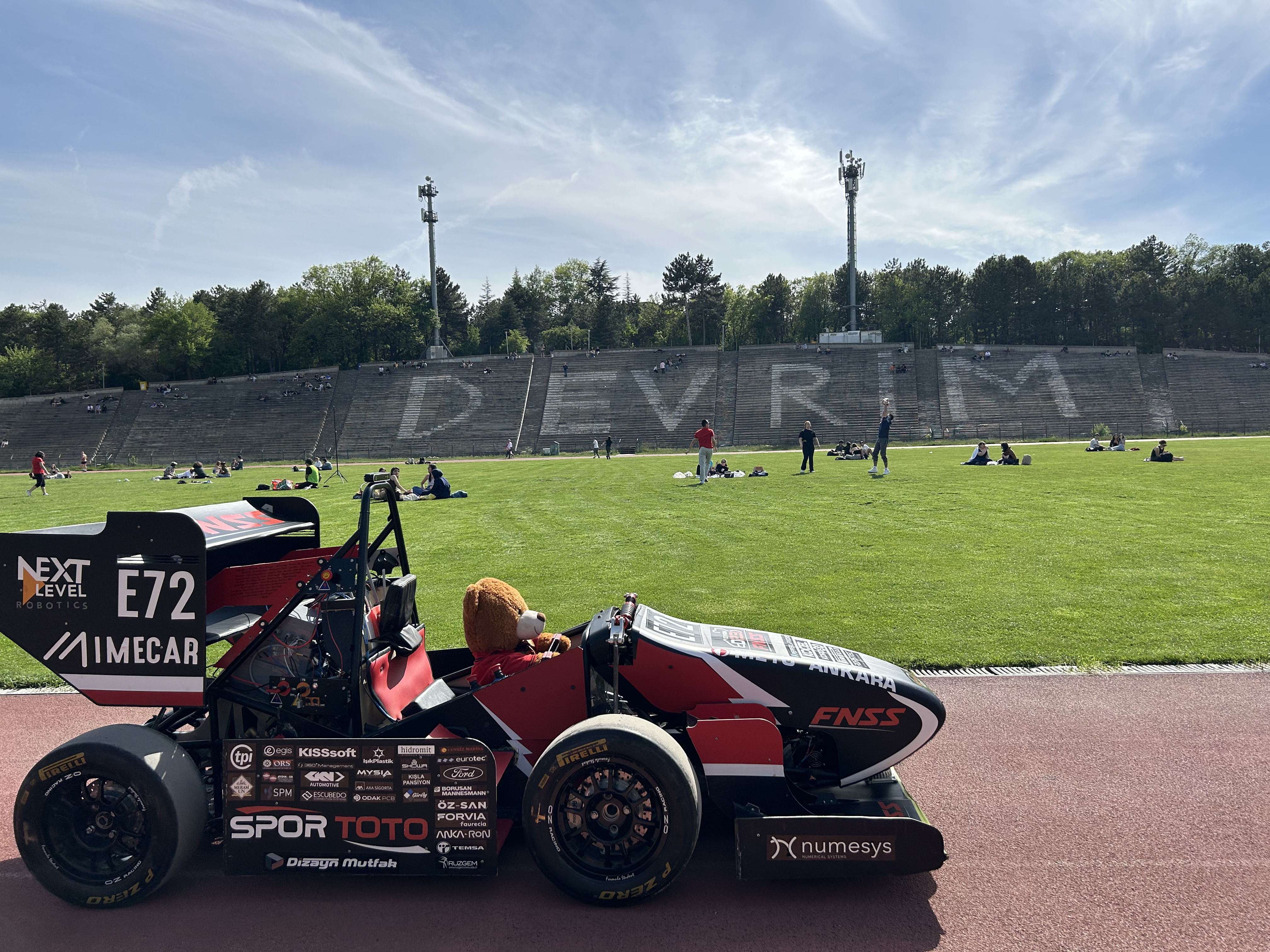
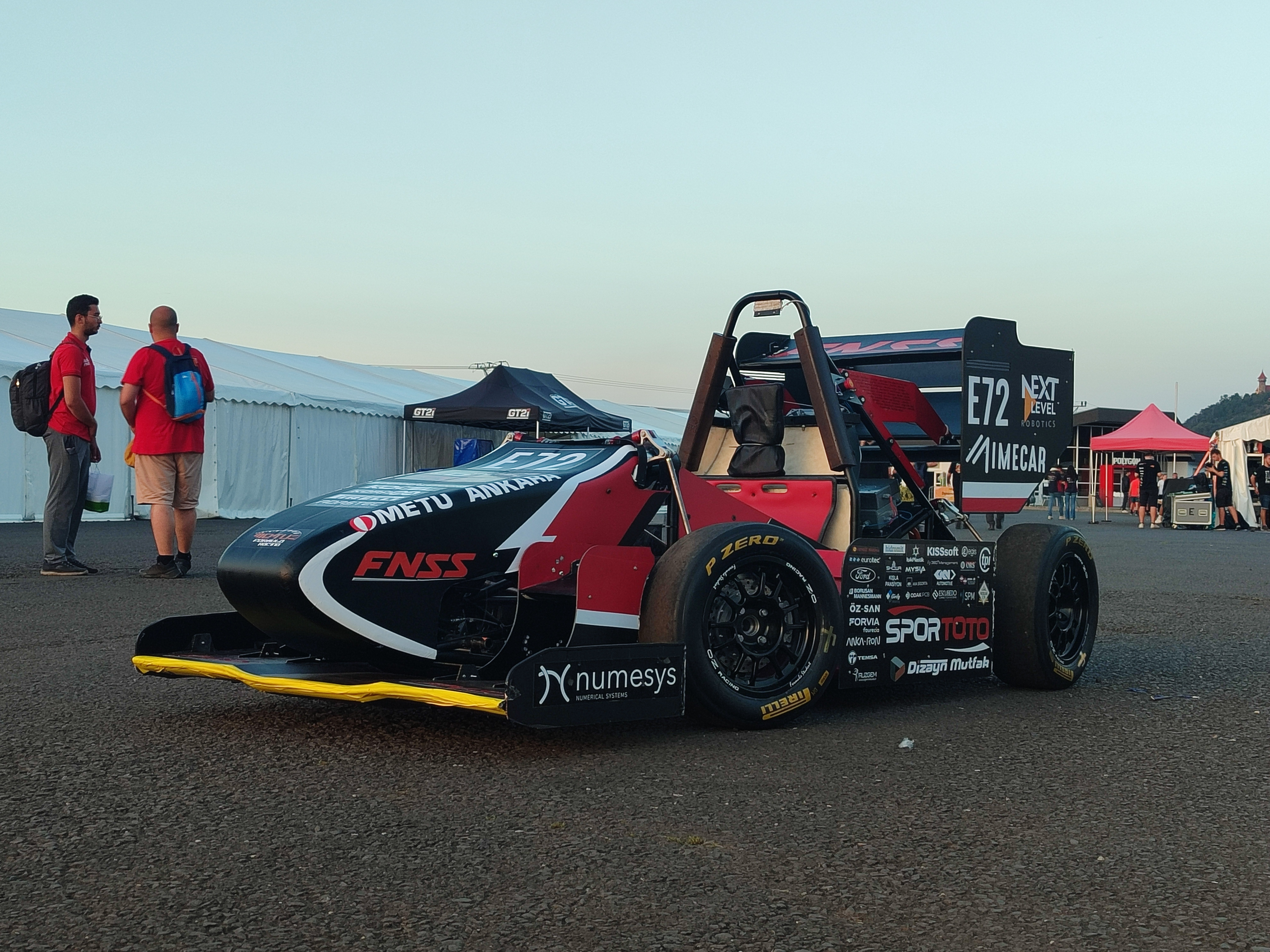
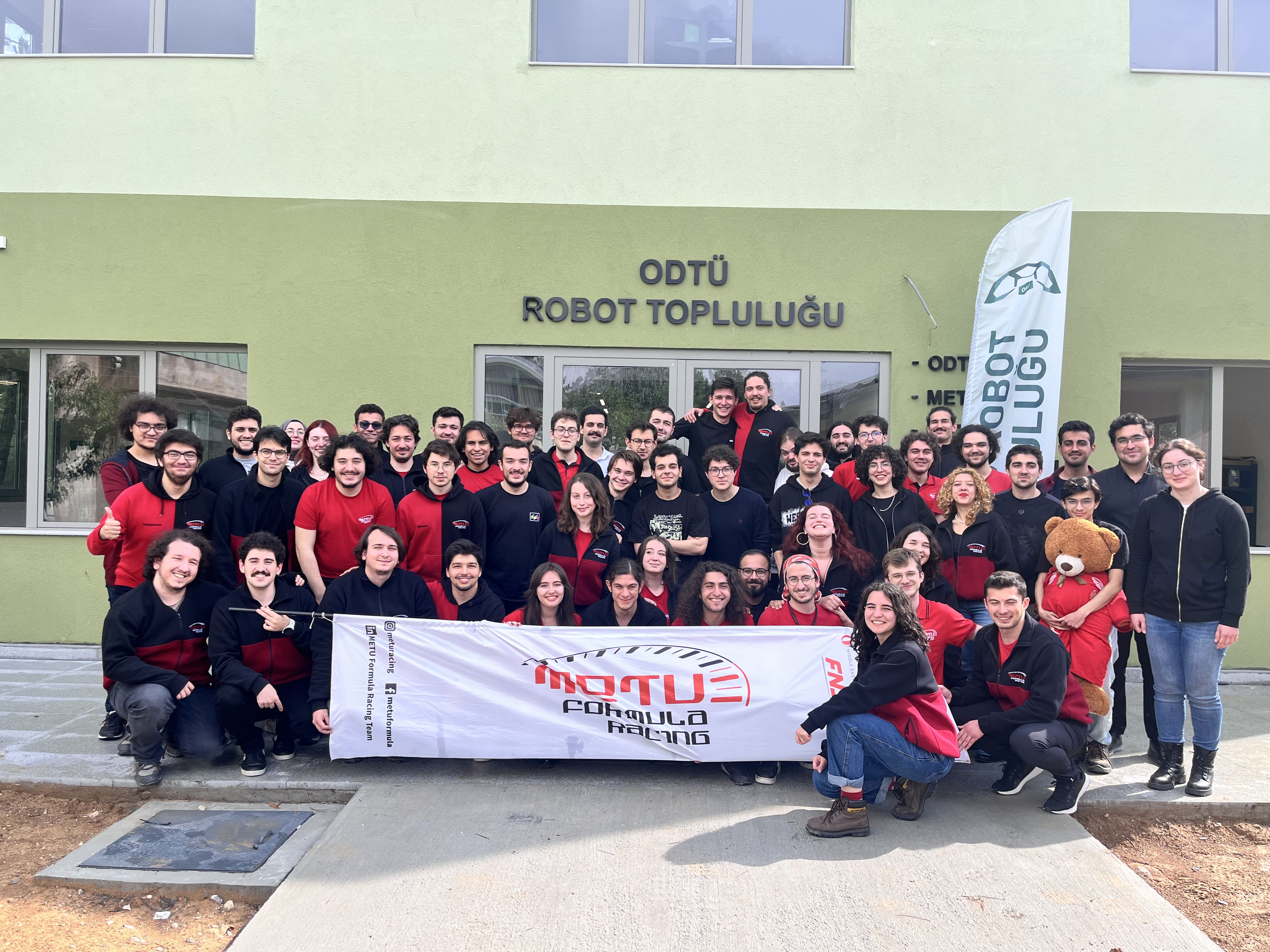
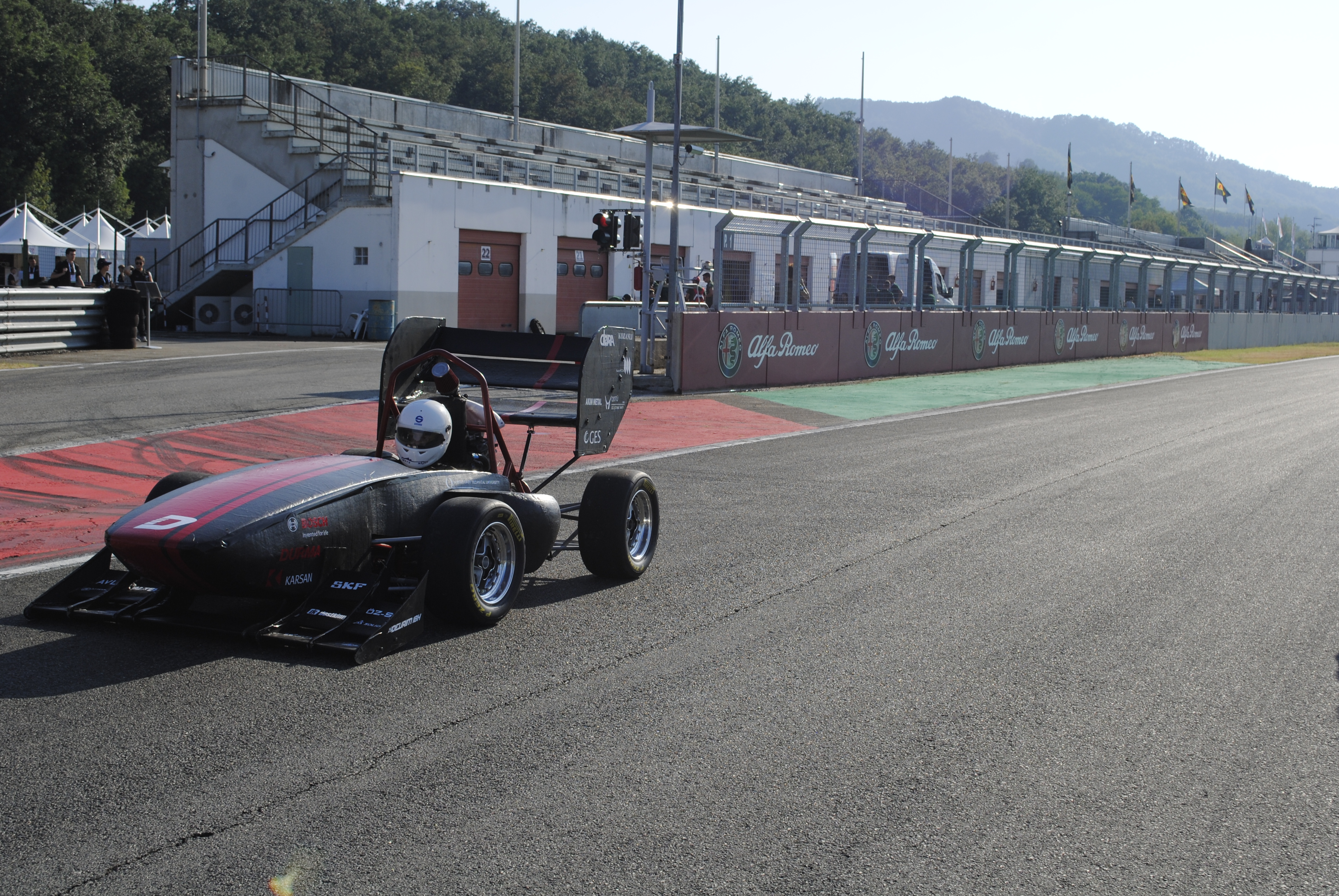
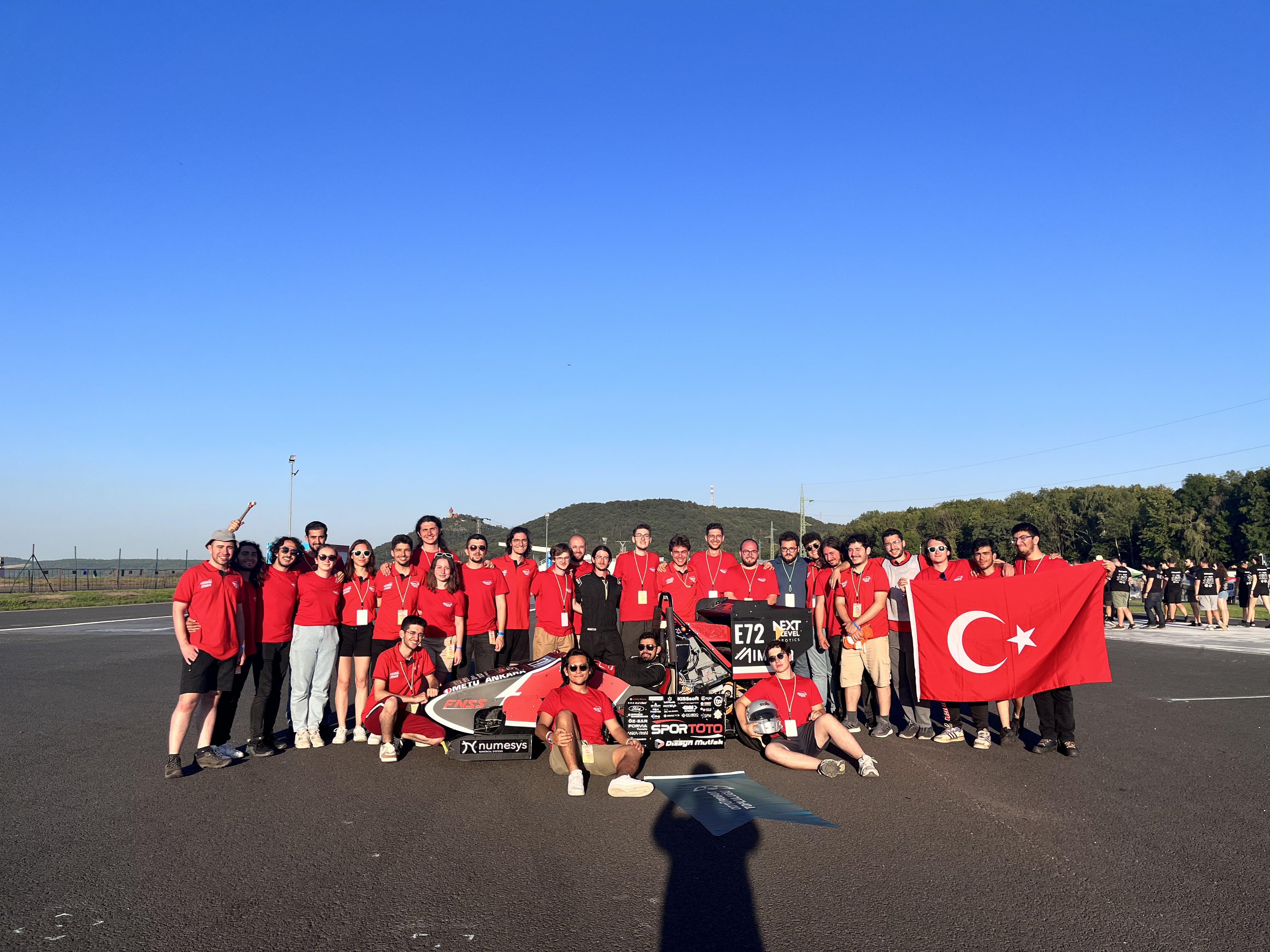
METU Formula Racing is the Formula Student team of Middle East Technical University, founded in 2015. Our purpose is to successfully represent our university and our country by taking part in Formula Student events — engineering competitions for higher-education students held every year on race tracks in many countries around the world.
Our Mission: To provide students with industry experience regardless of faculty or department, and to build a research and development infrastructure by producing race cars with that experience.
Our Vision: To produce high-performance race cars, raising qualified individuals for our country and for various industries — above all the automotive industry — while also ranking among the best teams in the world at international competitions.
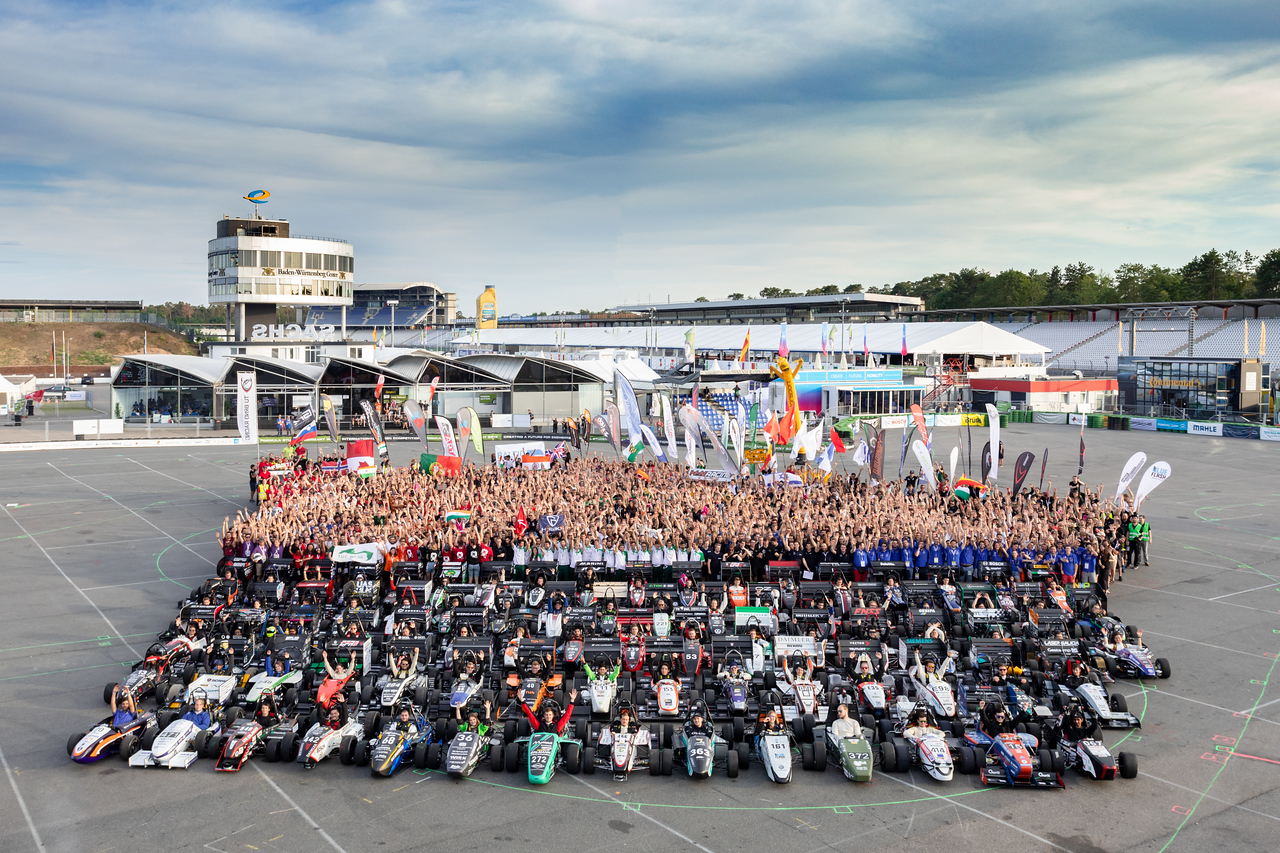
Known as one of the most established engineering competitions in the world, Formula Student was first held in the USA in 1988. The main goal of the competition is to supply qualified professionals to the automotive and motorsports industries. The competition allows students to design and build a Formula-style car and compete against universities from all over the world. Thanks to its popularity and the experience it provides, it has spread across the globe and become one of the most popular engineering competitions. Students are responsible for every aspect of the car — from the design to the manufacturing and testing of a vehicle that will compete in a scored competition. Each competition consists of static and dynamic events that test the performance of the car and challenge the students' knowledge of vehicle design, manufacturability, cost, and marketing.
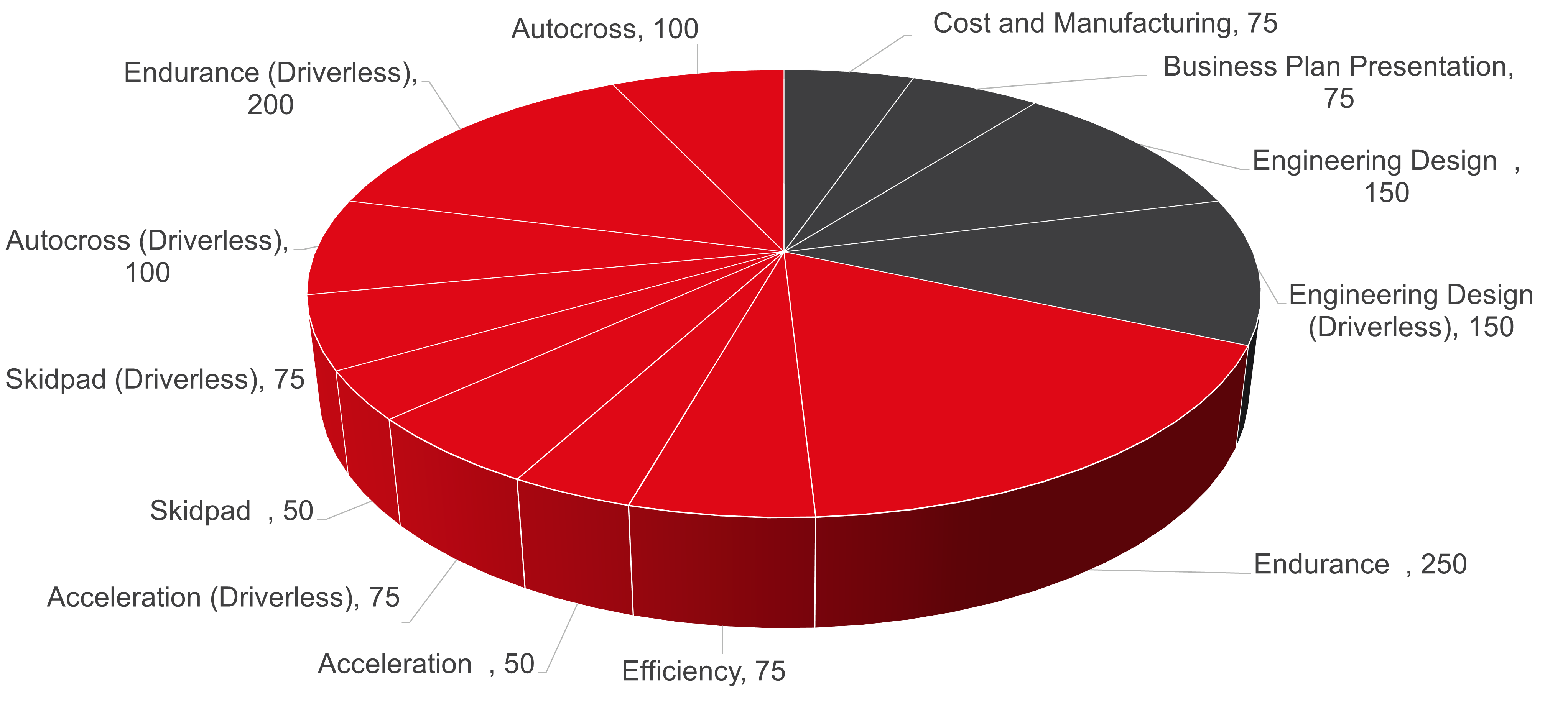
In this event, teams position their race car as a commercial product and pitch it to investors. They are evaluated on the business idea, market analysis, financial sustainability, and technical feasibility. During a 10-minute presentation followed by a Q&A session with the judges, teams try to demonstrate how they integrate their engineering solutions into a real business model.
In this event, teams present the manufacturing processes of their cars, their cost analyses, and their mass-production planning. Teams present cost tables, manufacturing methods, and optimization strategies to the judges in order to prove the economic sustainability of their engineering solutions. The judges evaluate criteria such as cost efficiency, the accuracy of the manufacturing processes, and scalability.
In this event, teams present the technical design of their race cars, their engineering analyses, and the innovative solutions they applied. Engineering work in areas such as structural durability, aerodynamics, powertrain, suspension, and electrical/electronic systems is examined in detail. The judges evaluate the design's compliance with engineering principles, its validation methods, and its optimization processes.
A dynamic event that measures the lateral acceleration and mechanical grip performance of the cars. Cars drive around a figure-eight (∞) shaped track, trying to achieve the fastest time. The event tests factors such as tire grip, suspension setup, and the effectiveness of weight distribution. It is an event where cars are evaluated in terms of balance, precision, and grip.
An event that measures the acceleration performance of the cars through the fastest possible launch over a 0–75 meter distance. The event tests factors such as the powertrain, engine/electric drive efficiency, aerodynamic drag, and tire grip. While aiming to reach the finish line in the minimum time, teams must optimize the dynamics of their cars such as traction control, torque management, and weight distribution. It is an event where cars with a strong power-to-weight ratio and an efficient drivetrain stand out.
An event where the speed, agility, and handling performance of the cars are evaluated over a single lap. The track has a technical layout featuring low- and high-speed corners, chicanes, and slaloms. Trying to reach the finish line in the shortest time, teams test dynamic characteristics such as suspension setup, steering response, and power distribution. It is an event where car control, speed, and driving precision come to the fore.
The most challenging dynamic event, testing the durability, fuel/energy efficiency, and overall performance of the cars over approximately 22 km. Cars are driven back-to-back by two drivers on a track consisting of corners and straights at varying speeds. Critical factors such as cooling systems, battery/motor durability, suspension reliability, and fuel/energy consumption are evaluated. It is the dynamic event in which cars must prove their long-run performance, and the one that awards the highest points.
An event exclusive to the Driverless category, testing the speed, agility, and durability of autonomous cars. On a previously unexplored track, cars try to achieve the best time by completing a set number of laps without any external intervention. Algorithm optimization, sensor fusion, path tracking, and dynamic control systems play a critical role in this event. It is an event where autonomous driving systems are evaluated for reliability and the balance between speed and performance.
An event where cars balance their fuel or energy consumption against their speed and endurance performance. It is evaluated together with the Endurance event, and cars are scored based on the distance covered relative to the energy or fuel consumed. Factors such as aerodynamic design, powertrain efficiency, energy management, and driving strategy play a decisive role. It is an event where cars that deliver high performance with low consumption stand out.